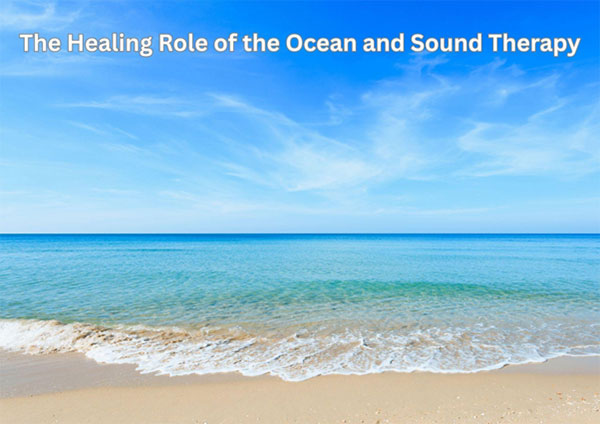
Natural environments have long been associated with healing and emotional balance. Among them, the ocean holds a unique place due to its sensory richness - rhythmic waves, expansive visuals, and soothing sounds. In mental health care, ocean sounds and therapeutic soundscapes are increasingly recognized for their role in stress reduction, emotional regulation, and overall psychological well-being. As a Boca Raton adult psychiatrist, understanding how these natural elements support mental health can help guide holistic treatment approaches.
The Science Behind Ocean Sounds and Mental Health
Ocean sounds, such as waves crashing or gently rolling onto shore, create predictable, rhythmic patterns. These sounds activate the parasympathetic nervous system, which is responsible for relaxation and recovery.
How Ocean Sounds Affect the Brain
Research suggests that ocean sounds:
- Reduce cortisol levels associated with stress
- Promote alpha brain wave activity linked to calm alertness
- Help regulate heart rate and breathing
- Lower symptoms of anxiety and mental fatigue
This makes ocean sounds particularly helpful for individuals experiencing chronic stress, anxiety disorders, or sleep disturbances.
Blue Space and Psychological Well-Being
The concept of “blue space” refers to environments associated with water, such as oceans, lakes, and rivers. Studies show that exposure to blue spaces is linked to improved mood, reduced psychological distress, and enhanced emotional regulation.
Mental Health Benefits of Ocean Environments
- Reduced anxiety and depressive symptoms
- Improved emotional clarity and grounding
- Enhanced sense of calm and mental spaciousness
- Support for mindfulness and present-moment awareness
For adults managing high levels of stress, time near the ocean - or even listening to ocean sounds - can offer measurable psychological relief.
Different Types of Healing Sounds and Their Benefits
Beyond ocean waves, various sound frequencies and natural soundscapes are used therapeutically to support mental health.
White Noise and Nature Sounds
White noise, rainfall, forest sounds, and wind can:
- Mask intrusive or racing thoughts
- Improve sleep onset and quality
- Reduce sensory overload
These sounds are commonly recommended for adults with insomnia or heightened anxiety.
Binaural Beats and Frequency-Based Sounds
Certain sound frequencies are designed to influence brain wave states:
- Delta waves for deep sleep
- Theta waves for relaxation and meditation
- Alpha waves for calm focus
While not a replacement for medical treatment, these sounds may complement relaxation and mindfulness practices.
Music Therapy and Emotional Processing
Music therapy uses structured sound and rhythm to support emotional expression, mood regulation, and trauma recovery. Gentle instrumental music or ocean-inspired soundscapes can be particularly effective for emotional grounding.

Sound Therapy in Anxiety, Stress, and Trauma
Sound-based interventions are often used alongside psychotherapy and psychiatric care.
Benefits for Adult Mental Health Conditions
Sound therapy may help adults with:
- Generalized anxiety disorder
- Stress-related disorders
- Trauma and PTSD symptoms
- Sleep disorders
- Emotional dysregulation
These tools work best when integrated into a broader, individualized treatment plan.
Incorporating Ocean and Sound Healing into Daily Life
Simple practices can make sound therapy accessible:
- Listening to ocean sounds during meditation or before sleep
- Using soundscapes during stressful work periods
- Practicing mindful breathing with rhythmic wave sounds
- Spending time near natural water environments when possible
Consistency and intention are key to experiencing long-term benefits.
Clinical Perspective from a Boca Raton Adult Psychiatrist
From a psychiatric standpoint, natural sound therapies can play a supportive role in adult mental health care. A Boca Raton adult psychiatrist may recommend ocean sounds or therapeutic audio tools as complementary strategies alongside psychotherapy, medication management, and lifestyle interventions. These approaches help regulate the nervous system, improve emotional resilience, and enhance overall treatment outcomes.
Integrating Holistic Tools with Professional Care
While ocean sounds and healing frequencies can be powerful, they are not substitutes for professional mental health treatment. Adults experiencing persistent anxiety, depression, mood changes, or sleep disturbances should seek evaluation from a qualified psychiatrist. Integrating evidence-based psychiatric care with supportive tools like sound therapy offers a more balanced and sustainable approach to mental well-being.
References
- Ulrich, R. S., Simons, R. F., Losito, B. D., Fiorito, E., Miles, M. A., & Zelson, M. (1991).
Stress recovery during exposure to natural and urban environments.
Journal of Environmental Psychology, 11(3), 201–230.
https://doi.org/10.1016/S0272-4944(05)80184-7 - Alvarsson, J. J., Wiens, S., & Nilsson, M. E. (2010).
Stress recovery during exposure to nature sound and environmental noise.
International Journal of Environmental Research and Public Health, 7(3), 1036–1046.
https://doi.org/10.3390/ijerph7031036 - Annerstedt, M., & Währborg, P. (2011).
Nature-assisted therapy: Systematic review of controlled and observational studies.
Scandinavian Journal of Public Health, 39(4), 371–388.
https://doi.org/10.1177/1403494810396400 - White, M. P., Alcock, I., Grellier, J., Wheeler, B. W., Hartig, T., Warber, S. L., Bone, A., Depledge, M. H., & Fleming, L. E. (2019).
Spending at least 120 minutes a week in nature is associated with good health and wellbeing.
Scientific Reports, 9, 7730.
https://doi.org/10.1038/s41598-019-44097-3 - Kraus, N., & Chandrasekaran, B. (2010).
Music training for the development of auditory skills.
Nature Reviews Neuroscience, 11(8), 599–605.
https://doi.org/10.1038/nrn2882 - Thoma, M. V., La Marca, R., Brönnimann, R., Finkel, L., Ehlert, U., & Nater, U. M. (2013).
The effect of music on the human stress response.
PLoS ONE, 8(8), e70156.
https://doi.org/10.1371/journal.pone.0070156