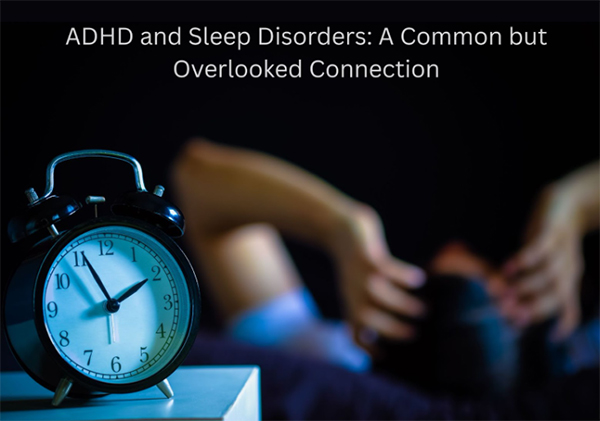
Attention-deficit/hyperactivity disorder (ADHD) is often associated with difficulties in focus, impulsivity, and organization. However, one of the most common—and frequently overlooked—concerns in individuals with ADHD is sleep disturbance. Sleep problems can significantly worsen ADHD symptoms, creating a cycle that affects emotional regulation, cognitive functioning, and overall quality of life.
Understanding the relationship between ADHD and sleep disorders is essential for accurate diagnosis and effective treatment. A comprehensive evaluation by a South Florida psychiatrist can help identify contributing factors and guide appropriate care.
The Relationship Between ADHD and Sleep
Research consistently shows that individuals with ADHD are more likely to experience sleep difficulties compared to the general population. These challenges can appear in childhood and persist into adolescence and adulthood.
Sleep plays a critical role in attention, memory, emotional regulation, and executive functioning—the same areas commonly affected in ADHD. When sleep is disrupted, ADHD symptoms often intensify, making daily functioning more difficult.
Common Sleep Disorders Seen in Individuals With ADHD
Sleep issues in ADHD are not limited to difficulty falling asleep. Several sleep disorders are more prevalent in individuals with ADHD.
Insomnia
Difficulty falling asleep or staying asleep is one of the most common complaints. Racing thoughts, restlessness, and difficulty winding down at night often contribute to delayed sleep onset.
Delayed Sleep Phase Syndrome
Many individuals with ADHD experience a shifted internal clock, feeling more alert late at night and struggling to wake in the morning. This pattern can interfere with school, work, and daily routines.
Restless Sleep and Nighttime Movement
Increased nighttime movement, frequent awakenings, or restless sleep can prevent restorative rest, even when total sleep time appears adequate.
Sleep Apnea and Breathing-Related Disorders
In some cases, disrupted breathing during sleep may contribute to daytime fatigue, irritability, and impaired concentration, which can mimic or worsen ADHD symptoms.
How Poor Sleep Worsens ADHD Symptoms
Inadequate or poor-quality sleep can significantly amplify ADHD-related challenges. Sleep deprivation affects attention, impulse control, emotional regulation, and working memory.
Children may appear more hyperactive or emotionally reactive, while adults may experience increased distractibility, irritability, and difficulty managing responsibilities. These changes can lead to misinterpretation of symptom severity or ineffective treatment if sleep issues are not addressed.
The Role of Medication and Sleep
Medication management is an important component of ADHD treatment, but it can also influence sleep. Stimulant medications, when not properly timed or adjusted, may contribute to difficulty falling asleep. Non-stimulant options and individualized dosing schedules can help reduce sleep-related side effects.
A thorough review of medication timing, dosage, and response by a South Florida psychiatrist is essential to balance symptom control with healthy sleep patterns.
Why a Comprehensive Psychiatric Evaluation Matters
Sleep difficulties and ADHD symptoms often overlap with other mental health concerns, including anxiety and mood disorders. Without proper evaluation, sleep issues may be mistaken for primary ADHD symptoms or overlooked entirely.
A psychiatric assessment considers:
- ADHD symptom patterns
- Sleep habits and routines
- Emotional and behavioral factors
- Co-occurring mental health conditions
- Medication effects
This comprehensive approach ensures that both ADHD and sleep concerns are addressed effectively.
Treatment Approaches for ADHD and Sleep Disorders
Managing sleep problems in individuals with ADHD requires a coordinated approach.
Common Strategies Include
- Behavioral interventions to improve sleep hygiene
- Adjusting medication timing or formulation
- Treating co-occurring anxiety or mood symptoms
- Establishing consistent daily and nighttime routines
- Collaboration with other healthcare providers when needed
The goal is to improve sleep quality while maintaining effective ADHD symptom management.
Expert Care With Dr. Priti Kothari in South Florida
Dr. Priti Kothari is a board-certified psychiatrist with extensive experience treating ADHD across the lifespan. As a trusted South Florida psychiatrist, Dr. Kothari takes a comprehensive and individualized approach to evaluating ADHD and related sleep concerns.
Dr. Kothari carefully assesses how sleep patterns, emotional health, and medication responses interact, ensuring treatment plans address the full clinical picture. Her approach emphasizes evidence-based care, ongoing monitoring, and collaboration with patients and families to support long-term well-being.

Supporting Healthy Sleep Habits
While professional care is essential, supportive routines at home can also make a meaningful difference.
Helpful practices may include:
- Maintaining consistent sleep and wake times
- Reducing screen exposure before bedtime
- Creating a calming nighttime routine
- Limiting caffeine and stimulating activities in the evening
These strategies complement clinical care and support better sleep outcomes.
Conclusion
The connection between ADHD and sleep disorders is complex and often underestimated. Sleep difficulties can worsen ADHD symptoms and interfere with daily functioning, while untreated ADHD can disrupt healthy sleep patterns.
Recognizing this connection and seeking evaluation from an experienced South Florida psychiatrist allows for more accurate diagnosis and effective treatment. Addressing both ADHD and sleep concerns together can lead to improved focus, emotional balance, and overall quality of life.
FAQs
Is poor sleep common in people with ADHD?
Yes. Sleep difficulties are significantly more common in individuals with ADHD and can affect symptoms at any age.
Can sleep problems look like ADHD?
Yes. Sleep deprivation can cause attention difficulties, irritability, and impulsivity, which may resemble ADHD symptoms.
Does ADHD medication always cause sleep problems?
Not always. Medication effects vary, and proper timing and dosage adjustments can often improve sleep.
When should I consult a psychiatrist about sleep and ADHD?
If sleep problems persist or worsen ADHD symptoms, a psychiatric evaluation is recommended.
Can a South Florida psychiatrist treat both ADHD and sleep issues?
Yes. Psychiatrists assess and treat ADHD while addressing co-occurring sleep and mental health concerns.
References
- National Institute of Mental Health (NIMH)
Attention-Deficit/Hyperactivity Disorder (ADHD)
https://www.nimh.nih.gov/health/topics/attention-deficit-hyperactivity-disorder-adhd - American Academy of Sleep Medicine (AASM)
Sleep problems in children and adults with ADHD
https://aasm.org - Centers for Disease Control and Prevention (CDC)
ADHD and sleep problems
https://www.cdc.gov/ncbddd/adhd - Sleep Foundation
ADHD and Sleep: Problems, Risks, and Solutions
https://www.sleepfoundation.org/mental-health/adhd-and-sleep - American Psychiatric Association (APA)
ADHD and comorbid conditions, including sleep disorders
https://www.psychiatry.org - Journal of Clinical Sleep Medicine
Associations between ADHD and sleep disorders
https://jcsm.aasm.org