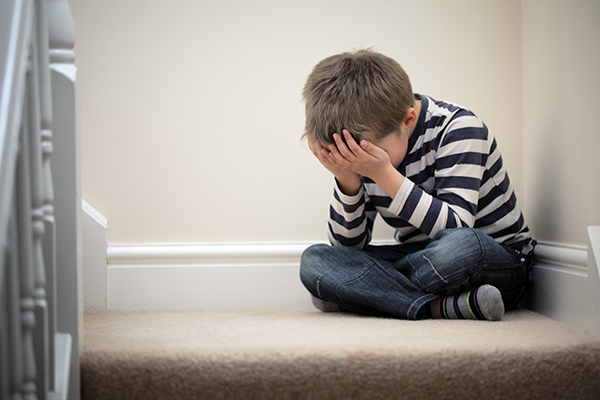
Children experience emotions just like adults, but they may not always know how to manage them. When emotions become too intense, children may experience emotional overload, which can affect their behavior.
Emotional overload can occur when a child feels stressed, overwhelmed, or unable to cope with a situation. This may lead to sudden changes in behavior.
Children may show signs such as crying, anger, withdrawal, or difficulty following instructions. These reactions are often not intentional but are a way of expressing overwhelming feelings.
Common triggers may include changes in routine, academic pressure, social challenges, or sensory overload. Recognizing these triggers can help parents support their children more effectively.
Parents can help by staying calm, offering reassurance, and giving the child time to settle. Teaching simple coping strategies such as deep breathing can also be beneficial.
With consistent support, children can learn to manage their emotions more effectively and respond to situations in a healthier way.