ADHD Evaluation & Treatment in Boca Raton & Weston, FL
ADHD can affect children, teenagers, and adults, making it difficult to stay focused, manage time, control impulses, and succeed at school, work, or in everyday life. Dr. Priti M. Kothari provides comprehensive ADHD evaluation and personalized treatment for patients in Boca Raton, Weston, and surrounding South Florida communities.
As a board-certified psychiatrist specializing in Child, Adolescent, and Adult Psychiatry, Dr. Kothari takes an individualized approach to ADHD care. Following a thorough evaluation, she develops treatment plans tailored to each patient's unique needs, helping improve focus, daily functioning, and overall quality of life.
Overview
Attention Deficit Hyperactivity Disorder (ADHD) is a disorder characterized by a persistent pattern of inattention and/or hyperactivity or impulsivity that occurs in occupational, academic, and social settings. ADHD is one of the most common mental health disorders present in children.
Demographic reports state that 5 to 10 percent of American children between the ages of 3 and 17 have been diagnosed with ADHD, which translates into nearly 6 million children. ADHD is more common in boys than girls by a ratio of 2.5 to 1. While symptoms are usually first present in childhood, symptoms may persist into adulthood.
ADHD Symptoms
Symptoms of Attention Deficit Hyperactivity Disorder include inattention, impulsiveness, and hyperactivity. The important distinction is the duration and severity of these behaviors, as nearly everyone has experienced fleeting symptoms at one point or another.
Diagnostic criteria indicate that ADHD symptoms persist longer than six months and frequently lead to problems in an individual's academic, occupational, and social life.
Children with ADHD are at a particularly high risk for problems at school. This is largely caused by their tendency to exhibit verbal hostility, defiance, temper tantrums, and non-compliance, especially with authority figures. In other cases, ADHD students display poor listening skills, lack of oral expression, difficulty with reading comprehension and mathematics, poor organizational skills, poor fine motor skills, and poor memory.
In later years, teenagers with ADHD are more likely to be at risk for substance abuse, truancy, and academic and social dysfunction.
In childhood ADHD, emotional development is slower, affecting the maturity of the individual and therefore his or her social interactions. ADHD children are three times more likely to have problems with expressive language. Impulsivity, low frustration tolerance, and irritability also make establishing and maintaining friendships more difficult.
Co-existing Conditions
Children who have ADHD may also present with the following conditions:
- Sleep problems (restlessness, sleep apnea, sleepwalking, and bedwetting)
- Depression
- Obsessive Compulsive Disorder (OCD)
- Anxiety Disorders (General Anxiety Disorder, Separation Anxiety, Panic Disorder, Social Phobia)
- Tourette's Disorder
- Bipolar Disorder
ADHD Medications
Several classes of medications can be used to treat ADHD symptoms, including stimulants, non-stimulants, antidepressants, and some antihypertensive medications. Medications can be short-acting or long-acting, and the correct prescription and dosing should be monitored by a physician.
Medication Management
Each medication has its own indications and side effects. Continual monitoring and communication among parents, caregivers, educators, psychologists, pediatricians, and a child psychiatrist is crucial to achieving proper medication prescriptions and dosages while minimizing side effects.
Doses may need to be titrated based on symptoms and the target outcome of treatment. Regular check-ups are key to medication management.
ADHD Inattentive Type
ADHD Inattentive Type was previously called Attention Deficit Disorder. It is characterized by difficulty paying attention, which separates it from the other two types of ADHD.
Before diagnosing ADHD Inattentive Type, problems such as hearing difficulties, learning disabilities, depression, and anxiety should be ruled out to prevent a misdiagnosis.
Symptoms of Inattentive ADHD include:
- Frequent daydreaming
- Unable to complete tasks
- Easily distracted
- Missing important details
- Making careless mistakes in homework or tests
- Getting bored quickly
- Difficulty getting or staying organized
- Avoiding tasks that require effort
- Losing or forgetting things or events
- Not seeming to listen when spoken to
- Slow to understand information
- Trouble following directions
ADHD Hyperactive Type
ADHD Hyperactive Type presents much differently than ADHD Inattentive Type. Children with ADHD Hyperactive Type may appear constantly on the move.
Symptoms include:
- Fidgeting
- Squirming
- Getting up often when seated
- Running or climbing at inappropriate times
- Difficulty playing quietly
- Talking too much or out of turn
- Interrupting others
- Often being "on the go"
ADHD Combined Type
Children with ADHD Combined Type exhibit symptoms of both Inattentive Type and Hyperactive Type. This is the most common form of ADHD.
School Based Plans
Students who have been diagnosed with ADHD may be entitled to classroom or school accommodations if the disorder negatively impacts their educational, social, or behavioral performance.
ADHD children may benefit from accommodations, modifications, specialized instruction, and behavioral planning. Children may also benefit from an Individualized Education Plan (IEP) or a 504 plan.
Educators and parents should meet regularly to develop, assess, and revise the plans as needed. Dr. Kothari, who practices in the Boca Raton, Delray Beach, Parkland, and South Florida areas, is familiar with many local schools, available resources, and support systems for those affected by ADHD.
Behavioral Therapy
Behavioral therapy can be used on its own to help alleviate ADHD symptoms but works best when combined with medication management. Research has shown that combined treatment is often the most effective.
Behavioral therapy is a series of techniques aimed at improving parenting skills and helping improve a child's behavior. It addresses specific behavior problems by improving time management, establishing predictability and routines, and increasing positive attention.
Parent training is key to the success of behavioral therapy, and many parents believe it has been crucial in improving their child's behavior both at home and at school.
Adult ADHD
ADHD likely starts in childhood and can persist into adulthood, although some cases of adult ADHD are diagnosed later in life despite years of symptoms.
Adult ADHD may cause problems including difficulty forming or maintaining relationships, poor work performance, low self-esteem, legal issues, frequent car accidents, and financial stress. Married adults struggling with ADHD also have a higher incidence of separation and divorce.
Other mental health disorders may also be present, including mood disorders, anxiety disorders, personality disorders, or learning difficulties.
Treatment for adults with ADHD is similar to treatment for children in that a combination of medication and behavioral therapy is often the most effective treatment. Dr. Kothari may also refer adult ADHD patients to an adult psychologist for cognitive behavioral therapy and/or couples therapy.
Oppositional Defiant Disorder
Most children display oppositional behavior at some point in childhood. However, children with Oppositional Defiant Disorder (ODD) have an ongoing and persistent pattern of oppositional, defiant, vindictive, or hostile behavior that disrupts daily functioning for longer than six months.
Symptoms may include:
- Frequent temper tantrums
- Excessive arguing with adults
- Refusal to comply with rules or adult requests
- Deliberate attempts to annoy or upset others
- Blaming others for mistakes or behavior
- Being easily annoyed by others
- Frequent anger
- Spiteful attitude
- Revenge-seeking behavior
Children or adolescents with ODD may also present with learning difficulties, ADHD, mood disorders, or anxiety disorders. A child and adolescent psychiatrist can diagnose and treat ODD and any coexisting psychiatric disorders.
Parents of a child with ODD may also benefit from counseling and training in positive parenting techniques. Dr. Kothari can refer these children and their parents to specialists and support systems in the South Florida area and offer medication management, education, and resources.
Why Choose Dr. Priti Kothari for ADHD in Boca Raton & Weston, FL?
Choosing the right psychiatrist is an important part of managing ADHD. Dr. Priti Kothari provides compassionate, evidence-based care for children, adolescents, and adults with ADHD.
Patients choose Dr. Kothari because she offers:
- Board-certified expertise in Adult and Child & Adolescent Psychiatry
- Comprehensive ADHD evaluations
- Personalized treatment plans
- Medication management with ongoing monitoring when appropriate
- Collaborative care with families, schools, therapists, and healthcare providers
- Compassionate, patient-centered care focused on long-term success
Frequently Asked Questions
What are the common symptoms of ADHD?
Common symptoms include difficulty paying attention, impulsivity, hyperactivity, forgetfulness, disorganization, and trouble completing tasks. Symptoms can vary depending on age and the individual.
How is ADHD diagnosed?
ADHD is diagnosed through a comprehensive psychiatric evaluation that includes a review of symptoms, medical and developmental history, and how symptoms affect daily life.
Do you treat both children and adults with ADHD?
Yes. Dr. Kothari provides ADHD evaluation and treatment for children, adolescents, and adults.
Is medication always necessary?
No. Treatment is individualized and may include medication, behavioral strategies, therapy recommendations, or a combination of approaches based on each patient's needs.
Can ADHD occur with other mental health conditions?
Yes. ADHD commonly occurs alongside anxiety, depression, learning disorders, and other mental health conditions, which are evaluated as part of a comprehensive assessment.
Schedule an ADHD Consultation in Boca Raton or Weston, FL
If you or your child is experiencing symptoms of ADHD, early evaluation and treatment can help improve focus, organization, and overall quality of life.
Dr. Priti M. Kothari provides comprehensive ADHD evaluations and personalized treatment for children, adolescents, and adults from her Boca Raton and Weston, FL offices. Contact our office today to schedule a consultation and learn how individualized ADHD care can help you or your loved one thrive.
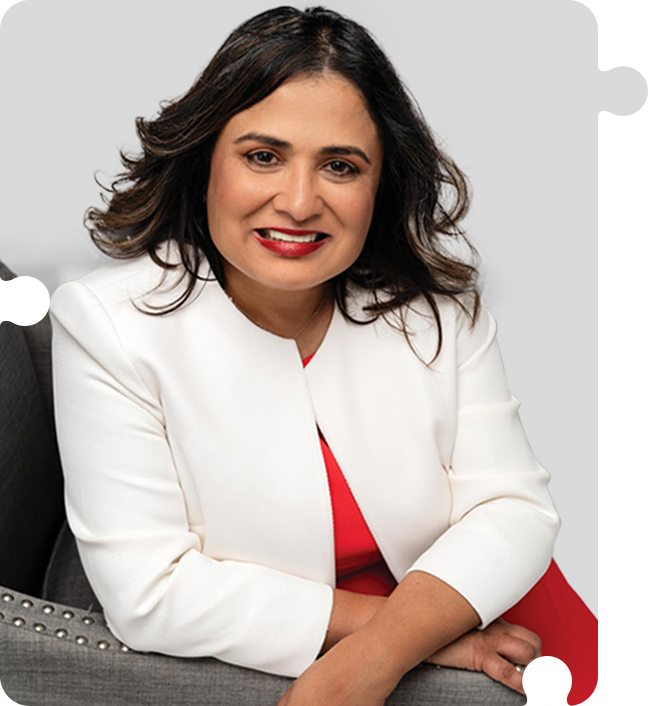
Dr. Priti Kothari
Board-Certified Child, Adolescent, and Adult PsychiatristSpecializing in ADHD Across the Lifespan,
from Childhood through Adulthood
Dr. Priti M. Kothari, MD is a board-certified psychiatrist specializing in child, adolescent, and adult psychiatry. She has been serving the South Florida community in private practice since 2005.