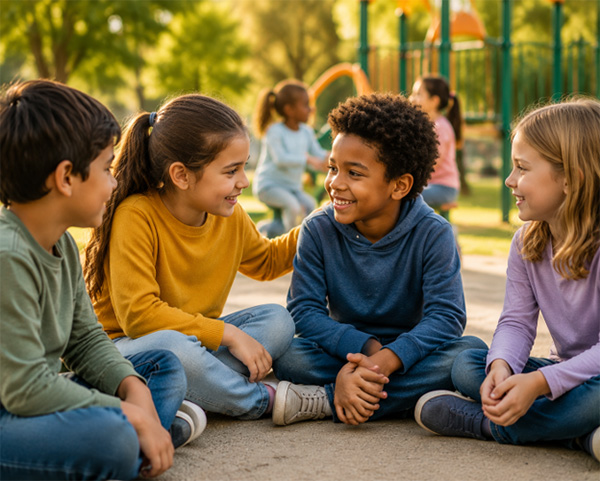
Friendships play an important role in children’s emotional development, confidence, and sense of belonging. Through friendships, children learn communication, cooperation, empathy, problem-solving, and how to navigate different social situations. For children with ADHD, building and maintaining friendships may sometimes feel challenging due to differences in attention, impulse control, emotional regulation, and social awareness. With the right support and guidance, children with ADHD can develop strong social skills and meaningful relationships.
Children with ADHD may experience challenges such as interrupting conversations, difficulty waiting their turn, reacting quickly during disagreements, or missing social cues. These behaviors are not intentional and do not mean a child does not value friendships. They are often connected to differences in executive functioning skills that affect self-monitoring, emotional control, and the ability to adjust responses in social situations.
What Does This Mean?
Friendships involve many skills that children develop over time, including listening, sharing, taking turns, understanding others' perspectives, and managing emotions during interactions. For children with ADHD, some of these skills may require additional practice and support. They may understand friendship rules but have difficulty applying them consistently in the moment. Helping children recognize social situations, practice communication strategies, and understand their own strengths can support healthier relationships and greater confidence.
Common Ways ADHD Can Affect Friendships
Difficulty Reading Social Cues
Children with ADHD may sometimes miss subtle social signals, such as noticing when someone wants to change topics, take a turn, or needs personal space. These challenges can make social interactions more difficult, even when the child is trying to connect.
Teaching children to observe facial expressions, body language, and tone of voice can help them better understand how others may be feeling.
Challenges With Impulse Control
Impulsivity can affect conversations and play situations. A child may interrupt, speak without thinking, change activities quickly, or react strongly during disagreements.
Helping children practice pausing before responding can support better decision-making and more positive social interactions.
Managing Emotions During Conflicts
Friendships naturally involve disagreements and misunderstandings. Children with ADHD may experience frustration more intensely or have difficulty calming down after conflicts.
Learning emotional regulation strategies can help children express feelings appropriately, solve problems, and recover from challenging moments.
Building Confidence After Social Challenges
Repeated difficulties with friendships can sometimes affect a child’s confidence. A child may begin to worry about being rejected or feel discouraged after negative experiences.
Encouraging children to recognize their strengths and celebrating positive social efforts can help develop a healthier sense of self.
Maintaining Friendships Over Time
Friendships require consistent communication, remembering important details, and following through with plans. Some children with ADHD may need additional support with organization skills related to maintaining relationships.
Simple reminders, routines, and practicing social responsibilities can help children strengthen friendships.
How This Affects Daily Life
Supporting social development can help children with ADHD develop:
- Stronger communication skills
- Increased confidence in social settings
- Better emotional regulation during interactions
- Improved ability to solve conflicts
- Greater empathy and understanding of others
- More positive and meaningful friendships
Positive friendships can also provide emotional support, increase confidence, and help children feel connected and accepted.
Strategies and Support Options
Teach Social Skills Through Practice:
Children often learn social skills best through real-life examples, role-playing, and guided practice. Practicing conversations, problem-solving, and handling disagreements can make social situations easier to navigate.
Encourage Quality Over Quantity:
Children do not need a large group of friends to experience positive social connections. Helping children build one or two supportive friendships can provide meaningful relationships and confidence.
Support Activities Based on Interests:
Activities such as sports, music, art, clubs, or hobbies can provide natural opportunities for children to connect with peers who share similar interests.
Model Positive Communication:
Children learn from observing adults. Demonstrating listening, empathy, respectful disagreement, and problem-solving helps children develop these skills.
Create Opportunities for Positive Interactions:
Structured playdates, group activities, and supervised social experiences can help children practice friendship skills in supportive environments.
Work With Schools When Needed:
Teachers and school professionals can support social development by encouraging positive peer interactions, providing guidance during conflicts, and creating inclusive classroom environments.
Seek Professional Support When Needed:
Some children may benefit from social skills training, behavioral therapy, parent coaching, or other evidence-based interventions. Mental health professionals can help families develop strategies based on the child’s individual needs.
In Conclusion
Friendships are an important part of childhood development and emotional well-being. While children with ADHD may experience challenges with social interactions, these difficulties can improve with understanding, practice, and appropriate support.
By teaching communication skills, encouraging emotional awareness, supporting shared interests, and creating opportunities for positive connections, parents and caregivers can help children build stronger friendships. With patience and guidance, children with ADHD can develop the social skills and confidence needed to create meaningful relationships.
About Dr. Priti Kothari
Dr. Priti Kothari is a board-certified child, adolescent, and adult psychiatrist in Boca Raton. She specializes in ADHD, anxiety, executive functioning challenges, and child mental health, helping children and families develop practical strategies for emotional regulation, social skills, and improved daily functioning.
Frequently Asked Questions
Do children with ADHD have difficulty making friends?
Some children with ADHD may experience challenges with social skills, impulse control, or emotional regulation that can affect friendships. With support and practice, children can develop stronger social connections.
How can parents help children with ADHD improve social skills?
Parents can support children through role-playing, encouraging positive interactions, teaching communication skills, and providing opportunities to practice social behaviors.
Are social challenges a sign that a child with ADHD does not care about friendships?
No. Many children with ADHD value friendships but may need additional support understanding social situations and managing responses.
Can schools help children with ADHD build better peer relationships?
Yes. Teachers can encourage inclusive activities, support communication, and help children practice positive social behaviors in the classroom.