Attention Deficit Hyperactivity Disorder (ADHD) is often discussed in terms of challenges - difficulty focusing, impulsivity, and restlessness. But in recent years, a new narrative has emerged: Is ADHD a superpower? From entrepreneurs to artists, many individuals with ADHD highlight their creativity, energy, and resilience as unique strengths. As a psychiatrist in Boca Raton, I believe it’s important to explore this idea from a psychiatric perspective - balancing optimism with clinical reality.
Understanding ADHD
ADHD is a neurodevelopmental condition characterized by symptoms such as:
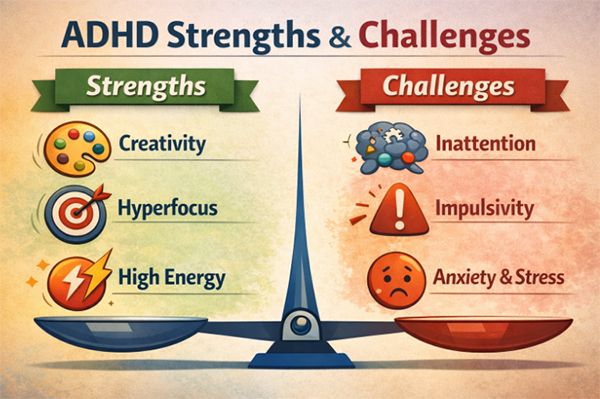
- Inattention (difficulty sustaining focus, forgetfulness)
- Hyperactivity (restlessness, excessive movement)
- Impulsivity (acting without considering consequences)
While these traits can create obstacles in academic, professional, and personal settings, they also shape distinctive ways of thinking and behaving.
ADHD as a Potential Superpower
Creativity and Innovation
Many individuals with ADHD excel in creative fields. Their brains often make unique connections, leading to innovative ideas. This divergent thinking can be a powerful asset in entrepreneurship, art, and problem-solving.
High Energy and Enthusiasm
Hyperactivity, when channeled productively, translates into energy and drive. People with ADHD may thrive in fast-paced environments that demand quick thinking and adaptability.
Resilience and Adaptability
Living with ADHD requires constant adjustment. Over time, individuals often develop resilience, resourcefulness, and adaptability - traits that can feel like superpowers in challenging circumstances.
Hyperfocus
Although ADHD is associated with distractibility, many individuals experience periods of hyperfocus. During these times, they can immerse themselves deeply in tasks, achieving remarkable productivity and mastery.
The Psychiatric Perspective
While it’s empowering to view ADHD as a superpower, psychiatrists emphasize balance. ADHD is not inherently advantageous - it is a condition with real challenges that require management.
- Functional Impairment: ADHD can interfere with school, work, and relationships if untreated.
- Mental Health Risks: Anxiety, depression, and low self-esteem often co-occur with ADHD.
- Treatment Importance: Medication, therapy, and lifestyle strategies are crucial to help individuals harness strengths while minimizing difficulties.
From a psychiatric standpoint, ADHD traits can be reframed positively, but professional support ensures individuals don’t struggle unnecessarily.
Strategies to Harness ADHD Strengths
As a psychiatrist in Boca Raton, I often recommend these approaches:
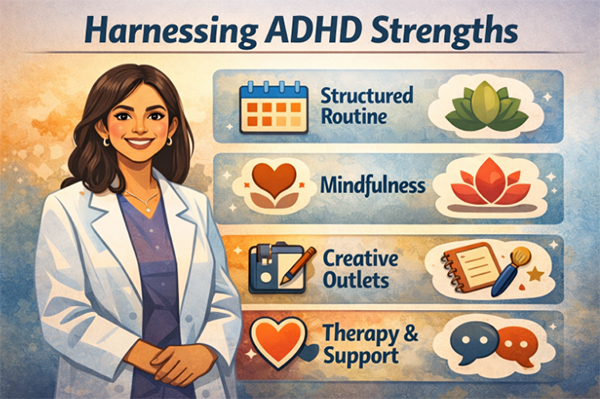
- Structured Routines: Clear schedules reduce distractions and improve focus.
- Mindfulness Practices: Techniques like meditation help regulate impulsivity and stress.
- Creative Outlets: Encouraging art, writing, or entrepreneurship channels ADHD energy productively.
- Professional Guidance: Psychiatric care, coaching, and therapy provide tools to transform challenges into strengths.
Conclusion
So, is ADHD a superpower? The answer lies in perspective. ADHD brings unique traits that can feel empowering when understood and managed. With psychiatric support, individuals can embrace creativity, energy, and resilience - while addressing the challenges that come with the condition.
Dr. Priti Kothari, a trusted psychiatrist in Boca Raton, helps patients navigate ADHD with compassion and expertise, ensuring they can unlock their potential while maintaining balance and mental well-being.
FAQs
- Can ADHD really be considered a superpower?
Yes, many individuals with ADHD possess strengths such as creativity, energy, and resilience. However, it’s important to recognize that ADHD also presents challenges that require management.
- How can a psychiatrist help with ADHD?
A psychiatrist in Boca Raton like Dr. Priti Kothari can provide diagnosis, medication management, and therapy, helping patients harness strengths while minimizing difficulties.
- Is hyperfocus common in ADHD?
Yes, hyperfocus is a paradoxical trait of ADHD. While distractibility is typical, individuals may also experience intense concentration on tasks they find engaging.
- What treatments are available for ADHD?
Treatment may include medication, behavioral therapy, lifestyle adjustments, and coaching. A psychiatrist tailors treatment to each individual’s needs.
- Can ADHD strengths outweigh its challenges?
With proper support, many individuals find that their ADHD traits - like creativity and adaptability - become powerful assets. However, untreated ADHD can cause significant impairment.
References
- Cambridge Textbook of Neuroscience for Psychiatrists – ADHD Chapter
Attention Deficit Hyperactivity Disorder (9.2)
https://www.cambridge.org/core/books/cambridge-textbook-of-neuroscience-for-psychiatrists/attention-deficit-hyperactivity-disorder/ - American Academy of Pediatrics – Clinical Practice Guideline
Clinical Practice Guideline for the Diagnosis, Evaluation, and Treatment of ADHD in Children and Adolescents (Wolraich et al.)
https://publications.aap.org/pediatrics/article/144/4/e20192528/76946 - European Psychiatry – Meta-Review of ADHD Research
A Systematic Meta-Review of Systematic Reviews on ADHD
https://www.cambridge.org/core/journals/european-psychiatry/article/systematic-metareview-of-systematic-reviews-on-attention-deficithyperactivity-disorder/ - ScienceDaily – ADHD and Creativity Research
New Research Reveals How ADHD Sparks Extraordinary Creativity
https://www.sciencedaily.com/releases/2019/02/190212105215.htm - Utrecht University – Review on ADHD and Creativity
Creativity and ADHD: A Review of Behavioral Studies, Psychostimulants, and Neural Underpinnings
https://dspace.library.uu.nl/handle/1874/370774 - ScienceDirect – ADHD Symptom Magnitude and Creative Problem-Solving
ADHD Symptom Magnitude Predicts Creative Problem-Solving Performance
https://www.sciencedirect.com/science/article/pii/S0165178118303143