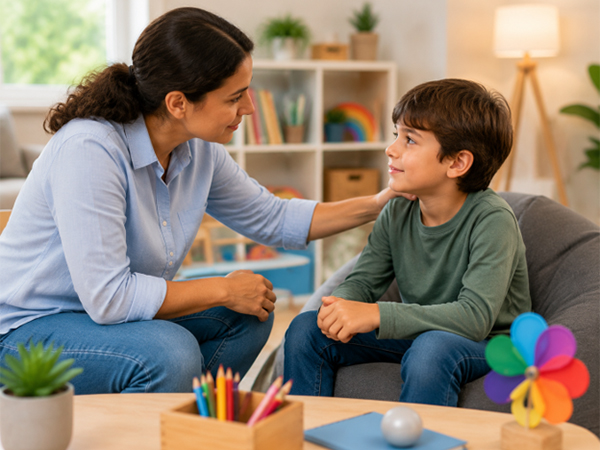
Children experience many emotions and challenges as they grow, from managing frustration and disappointment to handling changes, conflicts, and stressful situations. Learning how to cope with these experiences is an important part of emotional development. Healthy coping skills help children understand their feelings, manage difficult moments, and approach challenges with greater confidence.
For children with ADHD, anxiety, or emotional regulation challenges, everyday situations may sometimes feel more overwhelming. They may have difficulty calming down after frustration, adjusting to unexpected events, or expressing emotions in appropriate ways. Teaching coping skills early can help children develop resilience, problem-solving abilities, and greater independence in managing life’s challenges.
What Does This Mean?
Coping skills are strategies children use to manage emotions, thoughts, and reactions during stressful or challenging situations. These skills do not mean avoiding difficult feelings or pretending that problems do not exist. Instead, coping skills help children recognize emotions, understand their needs, and choose healthy ways to respond.
Children develop coping skills through practice, guidance, and positive experiences. When parents, caregivers, and educators provide support and model healthy responses, children learn that challenges can be managed and that difficult emotions are a normal part of life.
Common Ways Healthy Coping Skills Support Children’s Mental Health
Helping Children Understand and Express Emotions
Children may experience strong emotions but not always have the words or skills to explain what they are feeling. This can sometimes lead to frustration, withdrawal, or challenging behaviors.
Teaching children to identify emotions such as anger, sadness, worry, or disappointment helps them develop self-awareness. When children understand their feelings, they are better able to communicate their needs and seek support.
Improving Emotional Regulation
Emotional regulation involves recognizing emotions and responding to them in healthy ways. Children who develop regulation skills can learn to pause, calm themselves, and make thoughtful choices during difficult moments.
Strategies such as deep breathing, taking breaks, using calming activities, or talking about feelings can help children manage emotional reactions more effectively.
Building Problem-Solving Skills
Challenges are a natural part of childhood. Whether dealing with a difficult assignment, a disagreement with a friend, or a change in routine, children benefit from learning how to approach problems step by step.
Encouraging children to identify the problem, consider possible solutions, and choose a helpful response can strengthen confidence and independence.
Developing Confidence Through Challenges
Children build resilience when they experience challenges and learn that they can overcome them. When adults provide support without immediately solving every problem, children have opportunities to practice independence.
Recognizing effort, progress, and persistence helps children understand that skills improve with practice.
Supporting Flexibility and Adaptability
Unexpected situations can be difficult for some children, especially those who prefer predictable routines. Coping strategies can help children adjust when plans change or situations do not happen as expected.
Learning that mistakes, changes, and setbacks are manageable experiences helps children become more flexible and confident.
Strengthening Communication Skills
Healthy coping includes knowing when and how to ask for help. Children who can communicate their feelings and needs are better prepared to seek support during difficult situations.
Encouraging open conversations helps children understand that asking for help is a strength, not a weakness.
How This Affects Daily Life
Healthy coping skills can support children by promoting:
- Better emotional awareness
- Improved ability to manage stress
- Greater confidence when facing challenges
- Stronger problem-solving skills
- Improved communication with others
- Increased independence and resilience
Children who learn effective coping strategies are better prepared to handle challenges at home, school, and in social situations.
Strategies and Support Options
Teach Children to Name Their Feelings:
Helping children identify and describe emotions gives them the language needed to communicate their experiences. Simple conversations about feelings can build emotional awareness over time.
Practice Coping Skills During Calm Moments:
Children learn skills more effectively when they are not already overwhelmed. Practicing breathing exercises, relaxation strategies, or problem-solving techniques during calm times helps children use them when challenges arise.
Model Healthy Coping Behaviors:
Children learn by observing adults. Showing healthy ways to manage stress, communicate feelings, and solve problems teaches children practical examples they can follow.
Create Safe Opportunities to Practice Independence:
Allowing children to solve age-appropriate problems helps them develop confidence. Providing guidance while giving children space to try builds independence and resilience.
Encourage Positive Self-Talk:
Children can learn to replace negative thoughts with more supportive ones. Encouraging statements such as “I can try again” or “I can ask for help” can help children approach challenges with a growth mindset.
Maintain Supportive Routines:
Predictable routines can help children feel secure and reduce stress. Consistent expectations around daily activities provide a foundation for practicing coping skills.
Seek Professional Support When Needed:
Some children may benefit from therapy, behavioral interventions, parent coaching, or other evidence-based supports. Mental health professionals can help families develop strategies based on a child’s individual needs.
In Conclusion
Teaching children healthy coping skills helps them develop emotional awareness, confidence, and resilience. Challenges are a natural part of growing up, and learning how to manage difficult moments prepares children to navigate future experiences more successfully.
By helping children understand emotions, practice problem-solving, and develop healthy responses to stress, parents and caregivers can support lifelong emotional well-being. With patience, encouragement, and consistent support, children can learn that challenges are opportunities to grow and build confidence.
About Dr. Priti Kothari
Dr. Priti Kothari is a board-certified child, adolescent, and adult psychiatrist in Boca Raton. She specializes in ADHD, anxiety, executive functioning challenges, and child mental health, helping children and families develop practical strategies for emotional regulation, coping skills, and improved daily functioning.
Frequently Asked Questions
At what age can children begin learning coping skills?
Children can begin learning simple coping strategies at an early age. Skills should be introduced in ways that match the child’s developmental level and understanding.
What are examples of healthy coping skills for children?
Examples include deep breathing, talking about feelings, taking breaks, using creative activities, problem-solving, physical activity, and asking for support.
Can coping skills help children with ADHD or anxiety?
Yes. Coping skills can support emotional regulation and stress management for children with ADHD, anxiety, or other emotional challenges. They work best as part of a broader support plan.
How can parents encourage children to use coping strategies?
Parents can model coping skills, practice them regularly, acknowledge children’s efforts, and provide encouragement during challenging moments.